Simple Basil and Ginger Tea Recipe For Inflammation
Beating inflammation with easy remedies such as tea is much needed for many of us. We have busy lives and want to feel better but do not have the time for long, drawn-out practices. A ginger tea recipe for inflammation is easy. You can quickly add it to your routine for instant comfort from inflammation.
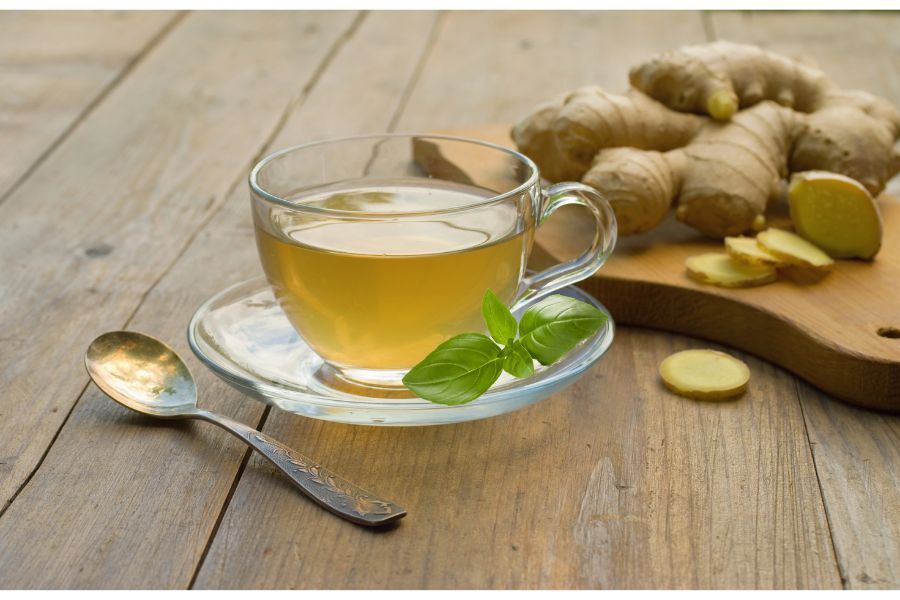
Herbal teas help with so many problems. They prevent, treat, and heal because of their natural occuring properties. Also, the side effects are a lot less upsetting than medication and medical treatments.
Inflammation can be a real hindrance in daily life if not dealt with promptly. It builds up and triggers other symptoms. Herbal teas are one of the many avenues we take to decrease inflammation in our bodies.
This tea incorporates several ingredients that all work against inflammation. They also offer the body other nutritional benefits to further improve your health.
This post provides you with a ginger tea recipe that is comforting, soothing, inflammation-fighting and immune system-strengthening.
How Inflammation affects the body
Everyone experiences inflammation. However, the duration of time inflammation occurs can become a problem.
Long-term inflammation that lasts several months or longer is called chronic inflammation. Inflammation is a necessary reaction that alerts the body to a problem.
This reaction can be triggered by many factors, including the intake of toxins and harmful chemicals, which lead to oxidative stress and cell damage; the invasion of other pathogens; and more. Rheumatoid arthritis is one of these common chronic inflammatory conditions.
Once the body is alerted, the healing and repair process can begin. If inflammation becomes chronic, the immune system can become dysregulated.
This means the body may have more difficulty or take longer to heal. Therefore, preventative and proactive measures help stabilize your health. This tea is one of those measures because of the medicinal properties it offers.
How ginger helps inflammation
Anti-inflammatory foods have been used to help inflammatory conditions for years. Ginger is one of these popular foods. Ginger's biological anti-inflammatory compounds have proven beneficial when used with inflammatory conditions such as arthritis, Lupus, and psoriasis.
Imbalanced bacteria in the gut can lead to an inflammatory response. Also, genetics can play a role in increasing one's susceptibility to this problem.
Knowing there is scientific evidence proving ginger's effectiveness is reassuring to those looking for a natural way to lower inflammation levels. Although ginger is beneficial in treatments concerning inflammation, studies vary on the factors involved.
Therefore, ginger is helpful, but combining it with other anti-inflammatory ingredients will further enhance antioxidant properties and anti-inflammatory benefits.
How turmeric helps inflammation
According to Johns Hopkins, turmeric's natural compound, curcumin, has been shown in studies to display positive effects against conditions and diseases that involve inflammation. Ingesting turmeric can protect cells from damage caused by free radicals.
This is because the anti-inflammatory compounds in turmeric neutralize the free radicals, making them no longer a risk.
Adding fresh turmeric to foods and drinks may help the body absorb its bioactive compounds better. This is because curcumin is quickly utilized and disposed of by the body.
Therefore, adding turmeric and making this a basil ginger turmeric tea will make this more powerful in reducing inflammation. It will also increase other potential health benefits.
How Basil helps inflammation
The herb basil has been shown to improve inflammatory mediators, lowering inflammatory symptoms. This herb's healing and therapeutic properties also include antioxidant and immune-regulating effects.
Using basil in this tea releases essential oils that reduce symptoms related to inflammation. Heat can compromise these properties, therefore, adding basil after the water has had time to cool slightly may be more beneficial. This is dependent on how hot the water is.
How to make Fresh Ginger Tea
(with turmeric and basil)
1 . Heat water to just before boiling
Add water to a kettle or pan and heat it up. Take it off just before it begins to boil.
2. Add 2-inch ginger root and 1/2-inch turmeric root to a tea bag
Peel and cut both the ginger root and turmeric root. Then place the roots into an unbleached tea bag or strainer.
3. Add the ginger root and turmeric to the hot water
Place the tea bag containing the ginger root and turmeric into the hot water and let it steep for a total of 10 minutes or longer before drinking.
4. Add in 5 to 6 large fresh basil leaves
5. Enjoy the tea
Wait a total of at least 10 minutes for the flavors to steep before drinking. This gives the ingredients time to meld together and release any anti-inflammatory properties for your body to consume.
Leave the ingredients in the tea while drinking if you want to. Doing so will strengthen the properties of these foods. However, if you choose to take them out prior to drinking the tea, you will still get great anti-inflammatory benefits.
Possible Add-ins
Lemon juice can be added to the tea for a citrus flavor. Lemon works well with ginger and basil. Hot lemon water is a great digestive aid and helps balance stomach acid. Additionally, it promotes a cleansing effect that is very helpful for inflammation issues.
Best Tea Recipe For Inflammation
Basil Ginger Tea Recipe For Inflammation
Ingredients
- 2 inch peeled fresh ginger root
- 1/2 inch peeled fresh turmeric root
- 5 to 6 large fresh basil leaves
Instructions
- Heat 1 cup water. Take the water off the heat before it boils.
- Peel ginger and turmeric roots and cut them according to the specifications above.
- Place ginger root, turmeric root, and basil leaves into an unbleached tea bag.
- Tear off 5 to 6 large basil leaves and place them into the tea bag.
- Place the tea bag into the hot water and steep it for at least 10 minutes.
- Drink the tea after waiting at least 10 minutes.
Notes
You may take the tea bag out after 10 minutes or leave the ingredients in for a stronger flavor and to strengthen anti-inflammatory properties. Add a squeeze of lemon or place a wedge of lemon into the tea if you choose. This is optional only!
This basil turmeric ginger tea recipe is made using simple ingredients and is one of the best for helping with pain relief from inflammation due to its powerful anti-inflammatory properties.
More Posts To Enjoy
Need a soothing sore throat remedy? Using these specific herbal teas for sore throat relief will not disappoint you. They support the healing process and provide comfort all in one. This post contains affiliate links.
These healthy hot tea recipes support your body when it needs it most. Designed specifically to address specific health concerns, these teas will quickly become your go-tos. Herbals are a wonderful natural remedy, and we
SIBO is a bacterial overgrowth condition that is disruptive and produces unpleasant symptoms. It is increasingly common due to a rise in health problems. There are ways to deal with this condition naturally. One way
Bloating, gassy, crampy, or irritated often? Sick of looking like you are pregnant when you are not? This list will show you the best herbal tea for gut health. A better functioning digestion system will
Mold toxicity symptoms are life-changing and not in a good way. They can impact the health of you and your loved ones and create a wide-range of problems. Learning about the symptoms and best ways
This post discusses 7 profound Omega 3 fish oil health benefits. These fatty acids are extremely helpful to the way the body functions and have minimal to no side effects. From joint and cardiovascular health
- https://www.ncbi.nlm.nih.gov/books/NBK493173/
- Fioranelli M, Roccia MG, Flavin D, Cota L. Regulation of Inflammatory Reaction in Health and Disease. International Journal of Molecular Sciences. 2021; 22(10):5277. https://doi.org/10.3390/ijms22105277
- Chen, L., Deng, H., Cui, H., Fang, J., Zuo, Z., Deng, J., Li, Y., Wang, X., & Zhao, L. (2017). Inflammatory responses and inflammation-associated diseases in organs. Oncotarget, 9(6), 7204–7218. https://doi.org/10.18632/oncotarget.23208
- Ballester, P., Cerdá, B., Arcusa, R., Marhuenda, J., Yamedjeu, K., & Zafrilla, P. (2022). Effect of Ginger on Inflammatory Diseases. Molecules (Basel, Switzerland), 27(21), 7223. https://doi.org/10.3390/molecules27217223
- https://www.hopkinsmedicine.org/health/wellness-and-prevention/turmeric-benefits
Last Updated on 3 months ago by Amy
