10 Best Anti Inflammatory Supplements
Inflammation indicates to the body that healing is needed in that area, which is helpful. However, left unchecked, many problems arise. These anti-inflammatory supplements can greatly assist in keeping inflammation in check.
This post contains affiliate links. This means I may earn a small commission when you purchase through my link, at no additional cost to you. You can read my full disclosure policy here.
Many people are constantly dealing with inflammation issues. Why? unhealthy eating, environmental concerns, health choices, infections, circumstances, medication side effects, the list goes on.
Also, though, I believe that well-intended misinformation is not helping the case. There is a lot of information about what helps inflammation, but some of these things can actually be problematic if your body is not handling them appropriately.
Additionally, some people turn to medication. But the side effects are usually lengthy and can themselves lead to more inflammation in the long run.
There are natural supplements that tame the inflammation. Using these wisely alongside other beneficial health practices can be life-changing.
Since the point is to heal the body, some supplements may be taken temporarily or once in a while.
But knowing natural supplements are available that offer you extra nutrients or assist the body's healing process is comforting, well, it is to me anyway.
10 best supplements for inflammation
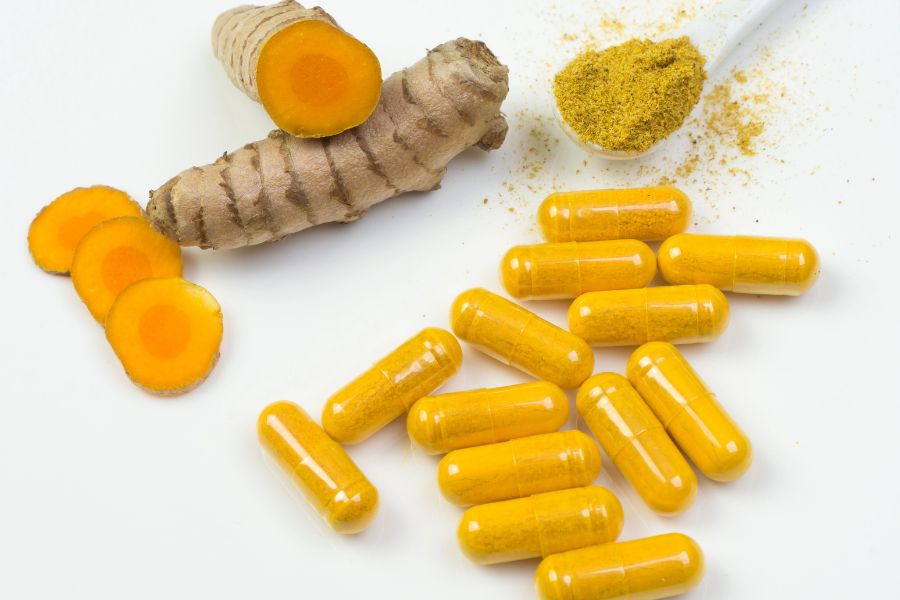
Curcumin is a common and highly effective supplement ranked by many researchers as the best natural compound for fighting widespread inflammation.
Curcumin is the bioactive ingredient in turmeric. Black pepper often accompanies curcumin to enhance its effects in the body.
How curcumin lowers inflammation:
- Decreases pro-inflammatory mediators
- Regulates how target tissues respond to inflammatory agents
- Inhibits production of inflammatory compounds
- Regulates inflammatory signaling activity
- Increases antioxidant enzymes, reducing oxidative stress
It is important to note that not all curcumin supplements are as easily absorbed by the body. Enhansa and Thorne are the brands we use. They are both third-party tested for purity and use the most potent ingredients with proven absorption rates.
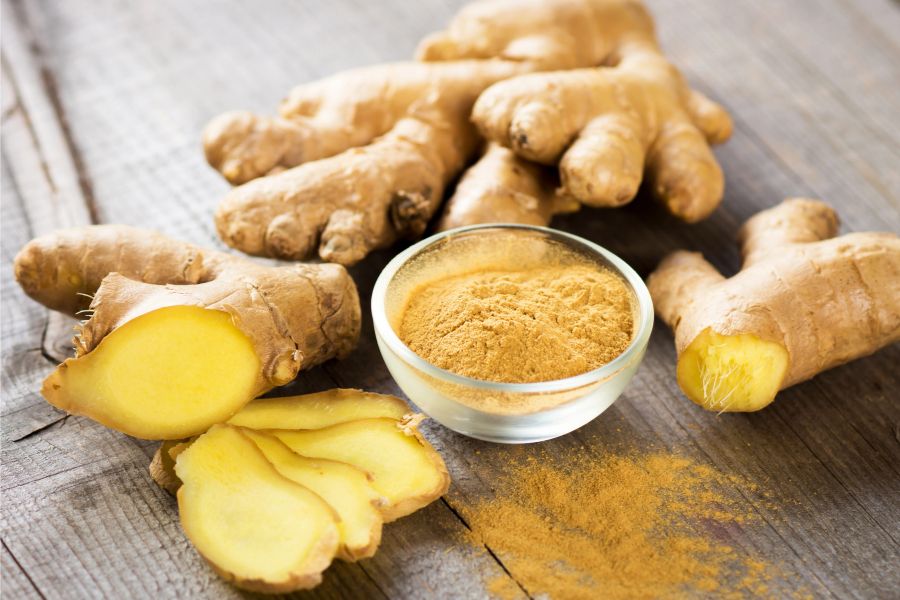
A second natural supplement that is very helpful in combating inflammation is ginger. It has been used in various ways for inflammatory conditions in the body.
Firstly, it has been studied regarding inflammation and exercise. Ginger has been shown to do the following in exercise-induced inflammation:
- lessen inflammatory signaling after exercise-induced stress
- help with recovery time after exercising
- balance the immune system rather than suppressing it
- helped with mild to moderate pain levels in the joints and muscles related to exercise activity
Also, it has the ability to help regulate the immune system by reducing the production of inflammatory cytokines.
Ginger used in animal studies showed significant inflammatory reduction in autoimmune disorders such as lupus, inflammatory bowel disease, rheumatoid arthritis, lung conditions, and multiple sclerosis.
Interestingly enough, dried and heated ginger shows stronger effects on inflammation than fresh ginger.

- produce specialized molecules that fight inflammation
- change the composition of inflammatory cell membranes
- Decrease the inflammatory signaling proteins
- Decrease the movement of inflammatory cells towards sites of inflammation
Studies show the effectiveness against diseases such as rheumatoid arthritis. It
also shows success with inhibiting inflammation in the brain. Cognitive health
increased in studies with benefits to both memory and learning.
We take Omega-3s regularly to help with inflammation. However, the fish oil
brand must be a reputable, high-quality brand. This is the only one we take.
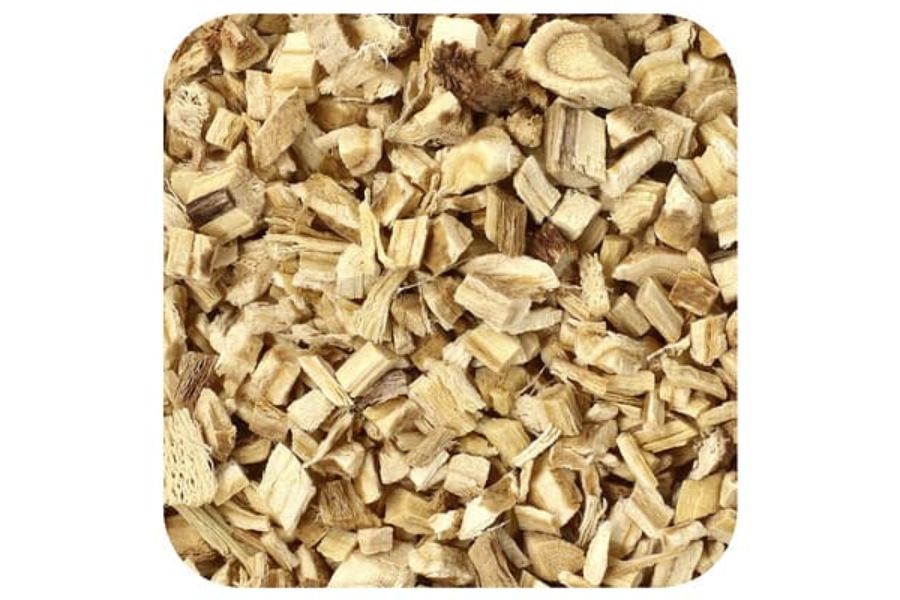
Astragalus root is a great herb for joint inflammation. Research shows that astragalus root:
- lowers the production of inflammatory molecules that are often high in diseases of the joints
- has the potential to reduce enzymes that damage cartilage
- help in the progression of degenerative joint diseases
- Astragalus root can be helpful in both joint health maintenance and prevention
Additionally, astragalus root has been studied for its neuroinflammatory benefits as well. This includes suppression of overactive brain cells known as microglia.
Overactivation of microglial inflammation in the brain leads to neuron damage and increased neurodegeneration if it becomes chronic.
This type of activity is often present in diseases such as Alzheimer's disease, Parkinson's disease, and other diseases with cognitive decline.
As the daughter of a father who died from a cognitive decline disease, I see astragalus as a highly beneficial herb that is worth integrating into a dietary regimen for anyone with neural or joint concerns.
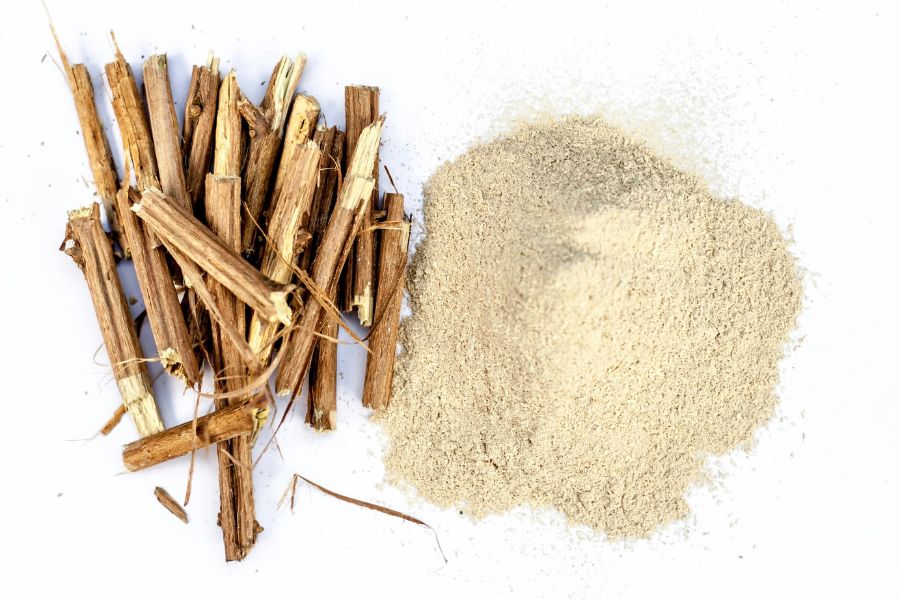
Another herbal supplement used successfully for inflammation is the herb Ashwagandha. It is an adaptogen that helps the body deal better with stress.
It has been proven to reduce pro-inflammatory compounds that commonly increase during chronic stress. Since continued stress in the body produces inflammation, this attribute is very helpful in dealing with inflammatory issues.
The specific inflammatory markers that Ashwaghanda decreases are associated with problems such as neurological disorders, anxiety, cognitive impairment, and neurodegenerative disorders.
Decreased anxiety and improved cognitive performance have been observed in animal studies with ashwagandha.
Another benefit shown is decreased oxidative stress. Excessive oxidative stress in the body can increase inflammation. Therefore, ashwagandha acts as a preventative of additional inflammation in the body.
Not only has Ashwagandha proven beneficial for brain inflammation, but it also demonstrated anti-inflammatory characteristics in inflammatory issues concerning the lungs, blood vessels, kidneys, and liver.
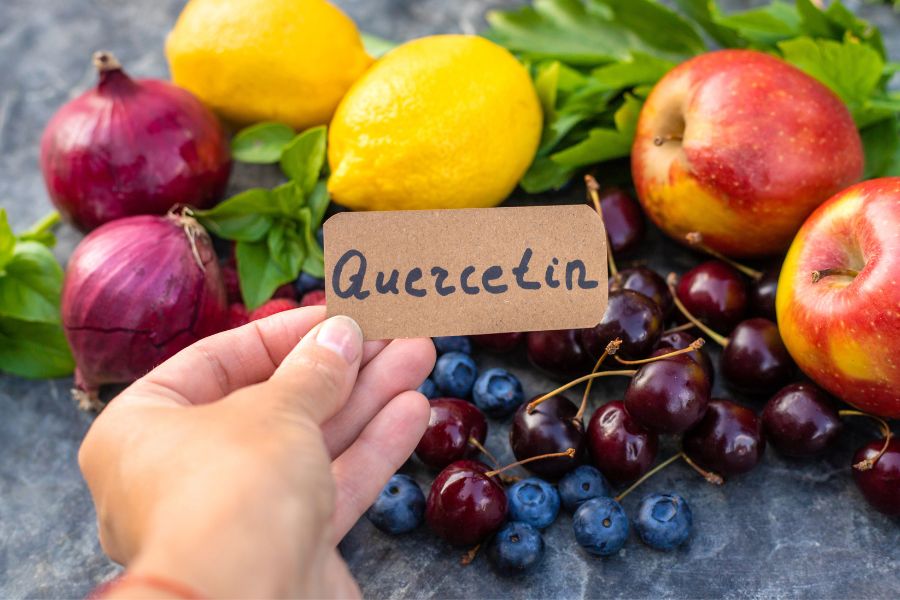
Also on the list of best anti-inflammatory supplements is quercetin. Quercetin is a compound (specifically a flavonoid) found in fruits, vegetables, and even seeds and in some grains.
Quercetin has been reported in studies to lower inflammation in Parkinson's disease and decrease free radical activity that creates inflammation.
Quercetin is also shown to help heal atopic dermatitis by lowering inflammation levels on the skin.
Additionally, it helps decrease the release of certain antibodies and slows or stops the release of histamine. This is important because too much histamine can cause a cascade of inflammation in the body.
Quercetin is a supplement we used in the past, and it worked very well.
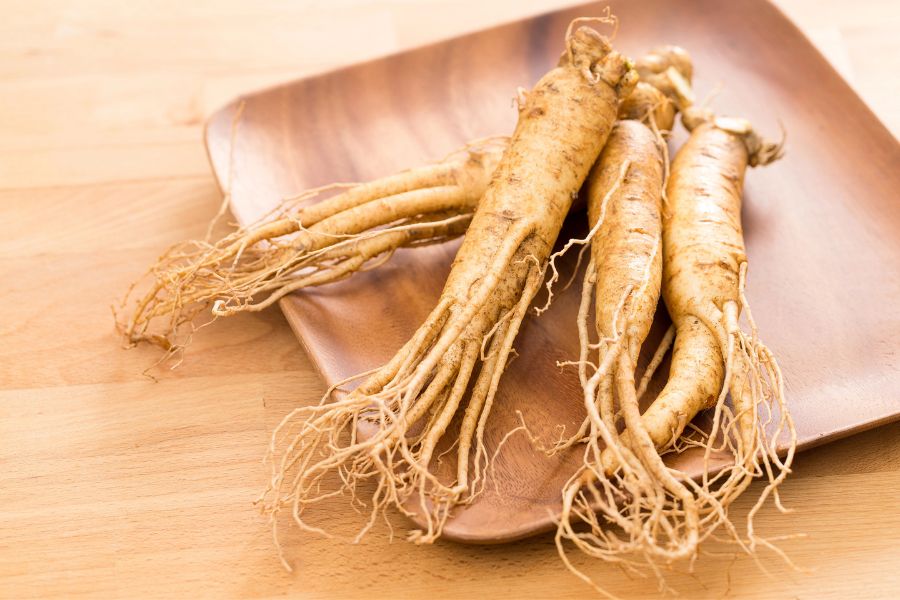
Ginseng's potential to suppress inflammation is remarkable.
The systemic effects of P. ginseng could result from diverse components that enable the simultaneous modulation of multiple inflammatory targets across different organs.
Its reported benefits in studies include the following:
- Consistent lowering of major inflammatory molecules
- The suppression of inflammatory signaling pathways
- Reduction of oxidative stress, which amplifies inflammation in tissues and joints
- Decrease in liver inflammatory damage and changes that could cause fatty liver disease
- improved intestinal barrier, which is huge for leaky gut that can cause increased inflammation in the body
- The positive alteration of gut bacteria for a healthier gut
Some of the diseases and ailments positively impacted by taking Ginseng include Hepatitis, Sepsis, Gastritis, Atopic dermatitis, acute lung injury, and Rheumatoid Arthritis.
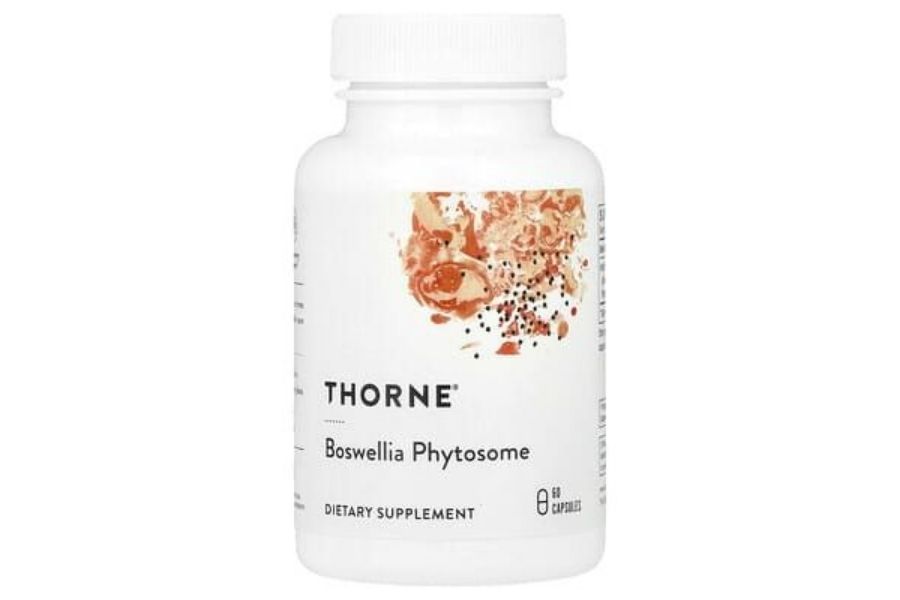
Another great anti-inflammatory is Boswellia. Boswellia Seratta is a plant with many benefits, including inflammation-reducing properties.
The resin from the Boswellia tree is used to create the aromatic Frankincense. Frankincense is often used in bath and beauty products as well as oils and healing remedies.
Boswellia is a powerhouse when it comes to lowering joint pain. In studies of Osteoarthritis, Boswellia significantly reduced joint stiffness and pain and considerably improved physical function.
This type of help is a game-changer. Boswellia is an herbal supplement I continue to use, specifically the one above. My joints are attacked by Lyme disease, and this, along with exercises and stretches, manages it very well.
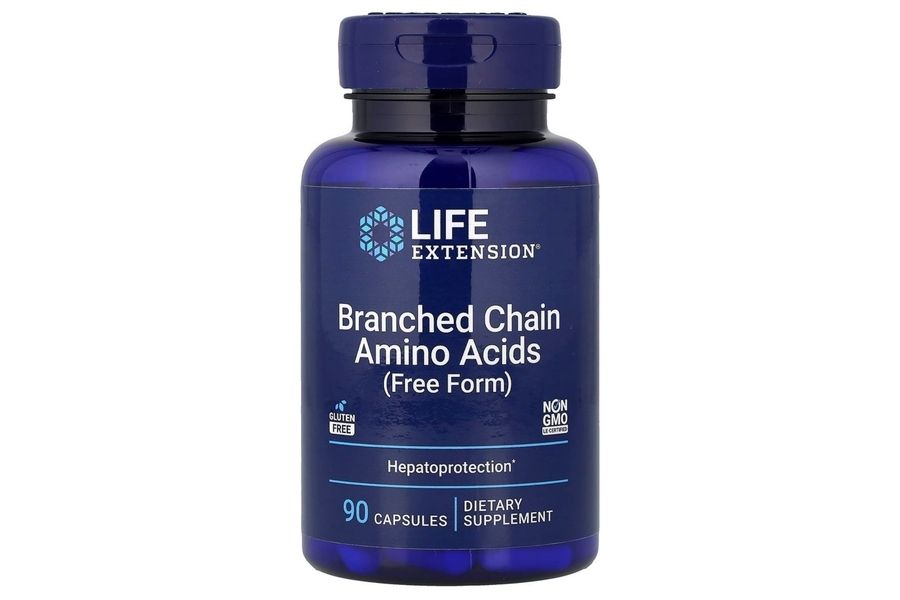
Branch-chained amino acids are specific amino acids that are not produced by the body; instead, they are obtained through food or supplementation. These 3 amino acids include leucine, isoleucine, and valine.
They target inflammation hindering muscle and joint recovery. These amino acids minimize inflammatory responses while adequately providing necessary muscle repair and recovery. They help keep inflammation in check.
- The quote below gives a scientific run-down as to what is specifically happening:
"BCAAs influence both types of protein synthesis, with leucine in particular playing a key role in activating the mechanistic target of rapamycin (mTOR) pathway. This pathway promotes the accretion of contractile proteins while also supporting cytoplasmic remodeling processes that help mitigate stress and inflammation."
My family enjoys weight training activities. Since this is the case, BCAAs are a valuable anti-inflammatory supplement.
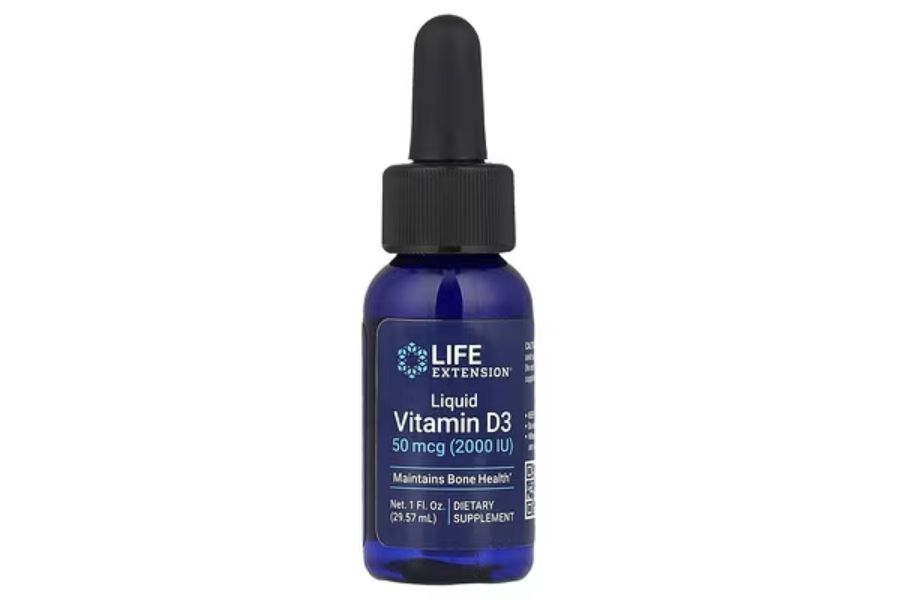
Lastly, there is a correlation between Vitamin D levels and inflammation, although studies vary in how they link the two.
Some evidence indicates that vitamin D levels are lower in individuals who have diseases and other ailments. There is controversy over the direct link, and research is still being done.
However, the need for proper vitamin D levels to decrease disease risk will be our focus. Vitamin D helps regulate the immune response towards pathogens. This is vital for combating sickness and disease.
Many individuals are low in vitamin D. Therefore, consuming foods or implementing practices to get enough vitamin D is important.
Several functional medicine practitioners have stressed the importance of improving my vitamin D levels to fight against disease.
Vitamin D plays a crucial role in immune function, brain, bone, and muscle health.
These are the best Supplements for reducing inflammation and preventing disease and illness.
- Peng Y, Ao M, Dong B, et al. Anti-Inflammatory Effects of Curcumin in the Inflammatory Diseases: Status, Limitations and Countermeasures. Drug Des Devel Ther. 2021;15:4503-4525. Published 2021 Nov 2. doi:10.2147/DDDT.S327378
- Xu M, Hu D, Liu X, Li Z, Lu L. Branched-Chain Amino Acids and Inflammation Management in Endurance Sports: Molecular Mechanisms and Practical Implications. Nutrients. 2025;17(8):1335. Published 2025 Apr 12. doi:10.3390/nu17081335
- Calder PC. Omega-3 fatty acids and inflammatory processes. Nutrients. 2010;2(3):355-374. doi:10.3390/nu2030355
- Mariano A, Russo R, Scotto d'Abusco A, Superti F. Astragalus membranaceus Extract Attenuates Inflammatory Cytokines and Matrix-Degrading Enzymes in Human Chondrocytes: A Novel Nutraceutical Strategy for Joint Health. Curr Issues Mol Biol. 2025;47(9):731. Published 2025 Sep 9. doi:10.3390/cimb47090731
- Lei Xu, Shengnan Xiao, Ruirui Sun, Zhixin Li, Ziqi Feng, Jingyi Cheng, Lixia Yang, Cungen Ma, Huijie Fan, Zhi Chai,
Assessment of the structural characterization and anti-inflammatory activities of various parts of Astragalus (root, stem, leaf, flower) from a polysaccharide perspective, International Journal of Biological Macromolecules, Volume 339, Part 2,2026, 149904, ISSN 0141-8130, - Wiciński M, Fajkiel-Madajczyk A, Kurant Z, et al. Ashwagandha's Multifaceted Effects on Human Health: Impact on Vascular Endothelium, Inflammation, Lipid Metabolism, and Cardiovascular Outcomes-A Review. Nutrients. 2024;16(15):2481. Published 2024 Jul 31. doi:10.3390/nu16152481
- KrishnaRaju AV, Somepalli V, Thanawala S, Shah R. Efficacy and Anti-Inflammatory Activity of Ashwagandha Sustained-Release Formulation on Depression and Anxiety Induced by Chronic Unpredictable Stress: in vivo and in vitro Studies. J Exp Pharmacol. 2023;15:291-305. Published 2023 Jul 25. doi:10.2147/JEP.S407906
- Diwakar Aggarwal, Mayank Chaudhary, Sachin Kumar Mandotra, Hardeep Singh Tuli, Ritu Chauhan, Naveen Chandra Joshi, Damandeep Kaur, Laurent Dufossé, Abhishek Chauhan,
Anti-inflammatory potential of quercetin: From chemistry and mechanistic insight to nanoformulations, Current Research in Pharmacology and Drug Discovery, Volume 8, 2025,
100217, ISSN 2590-2571, https://doi.org/10.1016/j.crphar.2025.100217. - Hyeon Jin Kim, Jae Youl Cho, Mi-Yeon Kim,
A comprehensive review of the effects of Panax ginseng and its constituents against inflammatory diseases, Journal of Ginseng Research, Volume 49, Issue 6, 2025, Pages 605-612, SSN 1226-8453, https://doi.org/10.1016/j.jgr.2025.06.001. - Siddiqui MZ. Boswellia serrata, a potential antiinflammatory agent: an overview. Indian J Pharm Sci. 2011;73(3):255-261. doi:10.4103/0250-474X.93507
- Yu G, Xiang W, Zhang T, Zeng L, Yang K, Li J. Effectiveness of Boswellia and Boswellia extract for osteoarthritis patients: a systematic review and meta-analysis. BMC Complement Med Ther. 2020;20(1):225. Published 2020 Jul 17. doi:10.1186/s12906-020-02985-6
- Kabelo Mokgalaboni,
Exploring the anti-inflammatory potential of vitamin D in cardiometabolic diseases, Metabolism Open, Volume 25, 2025, 100348, ISSN 2589-9368, https://doi.org/10.1016/j.metop.2025.100348.
More Posts To Enjoy
Maintaining healthy lungs will protect the immune system and maintain energy levels. An easy way to support lung health is by drinking the best herbal teas for lungs. There is actually more than one, and
Sinus infections are awful and need effective solutions. Luckily, there are ways to clear nasal passages naturally. These are 7 proven best home remedies for bacterial sinus infection that work. Nasal congestion can make it
Your body feeling sluggish? Supporting the lymphatic system with herbs is a powerful way to help your body begin the journey to feeling better. There are certain herbs that are great for lymphatic flow which
Bloating, gassy, crampy, or irritated often? Sick of looking like you are pregnant when you are not? This list will show you the best herbal tea for gut health. A better functioning digestion system will
This post discusses 7 profound Omega 3 fish oil health benefits. These fatty acids are extremely helpful to the way the body functions and have minimal to no side effects. From joint and cardiovascular health
These 3 juicing recipes consist of a variety of vegetables that all will help your body get to its best state. The recipes below use low-histamine triggering ingredients that will power your body, reduce inflammation,
Last Updated on 3 months ago by Amy
